
Miami HVHZ Construction: High Velocity Hurricane Zone Building Code Requirements.
What Miami's HVHZ wind-load requirements mean for construction — impact-rated glazing, hurricane connections, NOA-approved products, and FEMA flood compliance.

What is the HVHZ?
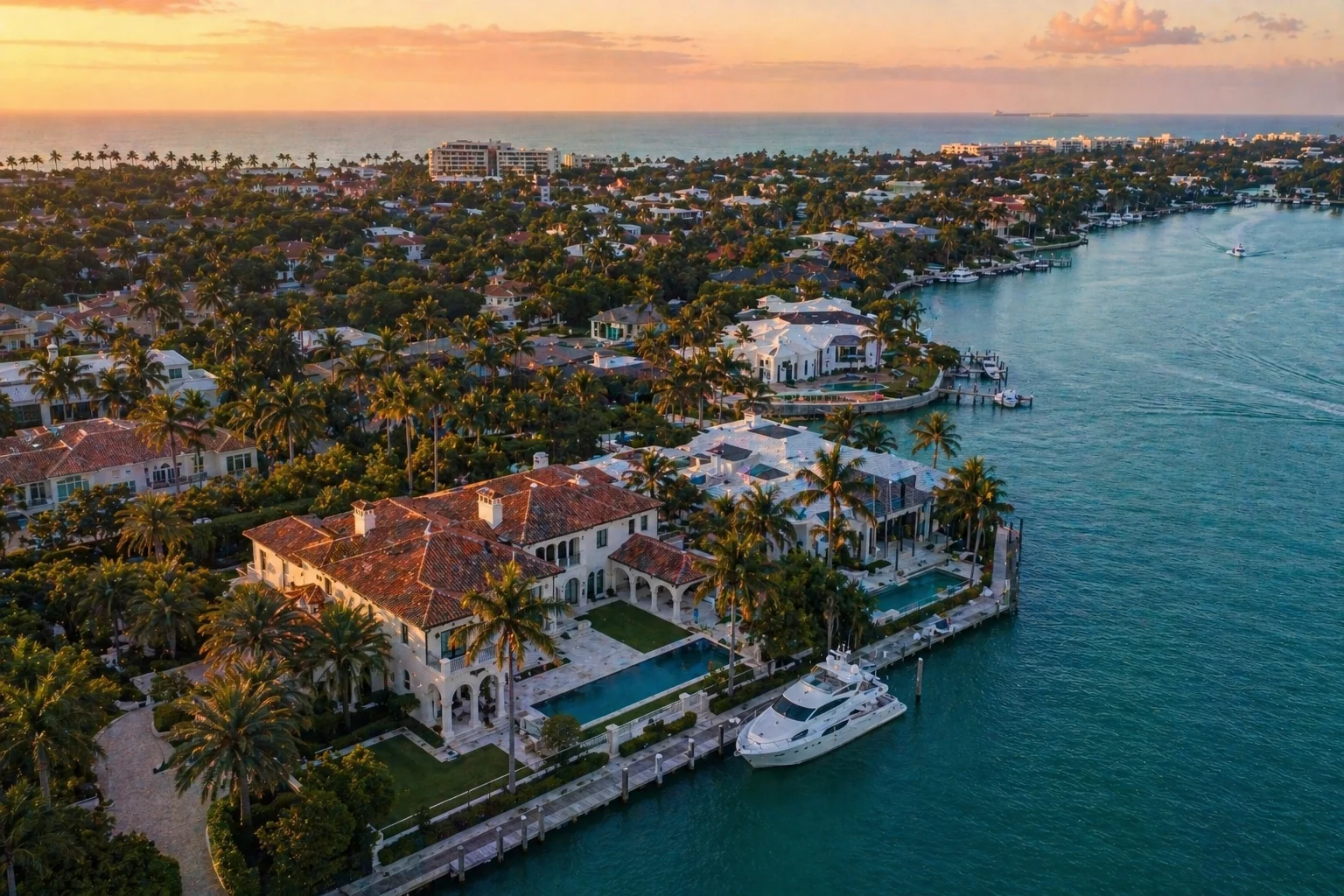
The High Velocity Hurricane Zone is a designated geographic area in Florida — Miami-Dade and Broward Counties — where building code requirements are substantially more stringent than the rest of the state to address hurricane wind exposure. The zone exists because the southeast Florida coast has the highest historical hurricane wind speeds in the continental United States.
Florida Building Code Chapter 16 — High Velocity Hurricane Zone establishes the design criteria. Wind speeds for design start at 175 mph for typical residential construction and can be higher for taller or more exposed structures. Compare to non-HVHZ Florida (130–150 mph design speeds) or non-coastal U.S. construction (90–115 mph typical).
These elevated wind speeds drive every aspect of structural design — foundations, framing connections, sheathing fasteners, roof attachment, exterior openings, and even mechanical equipment anchoring.
Impact-rated openings
All exterior openings — windows, doors, garage doors, skylights — must be either impact-rated (designed and tested to resist large-missile and small-missile impact at HVHZ wind speeds) or protected by approved storm shutters or storm panels.
Impact-rated windows in HVHZ-compliant assemblies cost $80–$160 per square foot installed (frame, glass, and approved attachment), versus $40–$70 for standard non-impact windows. For a typical luxury Miami home with substantial glazing, the window package alone is $200,000–$600,000.
Garage doors are a critical and often-overlooked component. A failed garage door during a hurricane causes catastrophic interior pressurization that can blow off the roof. HVHZ-rated garage doors with approved bracing cost $4,000–$15,000 per door versus $1,500–$3,500 for standard residential doors.
Notice of Acceptance (NOA) products
Every regulated product used in HVHZ construction must have a current Notice of Acceptance issued by Miami-Dade County. NOAs are essentially product certifications — the manufacturer has submitted test data demonstrating their product meets HVHZ performance requirements when installed per their listing.
NOA-listed products include windows, exterior doors, roofing systems, structural connectors (Simpson Strong-Tie hurricane straps, etc.), waterproofing membranes, exterior cladding systems, and fasteners. Specifying a non-NOA product is a fast way to fail plan check or inspection.
Each NOA has an expiration date. If your project takes 18+ months from design to installation, the NOA you specified at design phase may have expired by purchase. Your contractor or specifier should verify NOA validity before product procurement.
Roof and structural connections
HVHZ roof attachment is significantly more aggressive than non-HVHZ. Roof-to-wall connections use heavy-gauge hurricane straps or clips at every truss/rafter. Roof sheathing nails are larger (typically 8d ring-shank vs. standard 8d), spaced more closely (4-inch spacing at panel edges, 6-inch field).
Tile roofing is common on luxury Miami homes but requires HVHZ-specific attachment — typically foam-set with mechanical fastening at perimeters and high-stress areas. The combined material and labor cost for HVHZ-compliant tile roofing runs $25–$45 per square foot, versus $12–$20 for non-HVHZ standard tile.
FEMA flood compliance
Most coastal Miami parcels are in FEMA Special Flood Hazard Areas (SFHAs), classified as Zone AE or Zone VE. New construction and substantial improvements must elevate the lowest floor at or above the Base Flood Elevation (BFE) — typically 9–14 feet above grade depending on parcel.
Zone VE (coastal high hazard) requires open foundations on driven piles or columns; the area below BFE must be unenclosed except for breakaway walls. Zone AE allows fill-and-stem-wall foundations as long as the lowest finished floor is above BFE.
Compliance with FEMA flood requirements is required for both code and for National Flood Insurance Program eligibility. Non-compliant construction is denied flood insurance coverage and is subject to federal enforcement.
Common questions.
Do I need impact windows for a renovation in Miami?
For substantial improvements (renovations exceeding 50% of the structure’s pre-improvement value), all exterior openings must be brought up to current HVHZ code, which means impact-rated or shuttered. For minor renovations that don’t trigger substantial improvement, existing non-impact windows can typically remain.
How much do HVHZ requirements add to construction cost?
HVHZ compliance typically adds 18–30% to a luxury Miami residential project compared to a similar non-HVHZ build. The largest line items are impact-rated openings (windows, doors, garage doors), HVHZ-compliant roofing, structural hurricane connectors, and elevated foundations in flood zones.
What is a Notice of Acceptance (NOA)?
A Notice of Acceptance is a product certification issued by Miami-Dade County confirming that a specific manufactured product (window, door, roofing system, structural connector, etc.) meets HVHZ performance requirements. Products without a current NOA cannot be used in Miami-Dade or Broward HVHZ construction.
15+ years acquiring, financing, and developing real estate. Has led over $1 billion in transactions across the U.S. before founding Composite. Florida CGC1540052 · California CSLB #1155003.